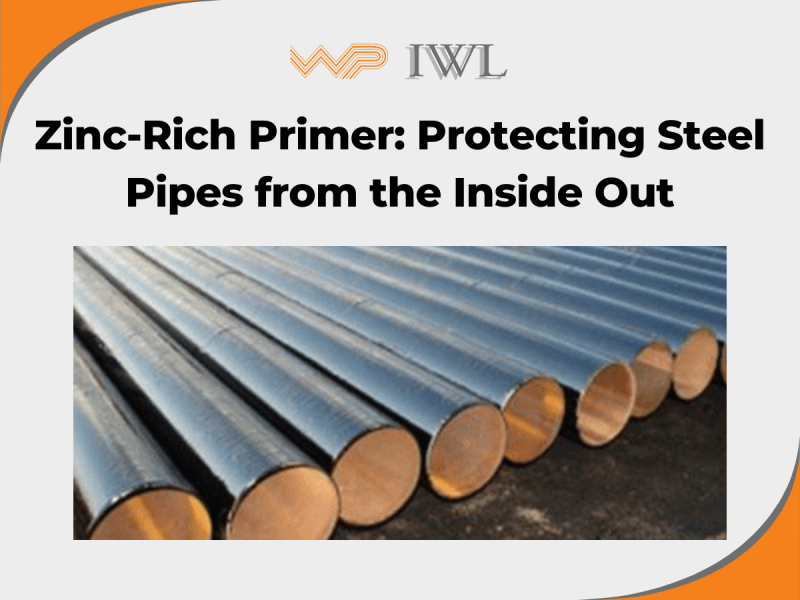
Zinc-Rich Primer: Protecting Steel Pipes from the Inside Out
What is a Zinc-Rich Primer?
A zinc-rich primer is a protective coating that contains a high percentage of metallic zinc particles mixed within a binder such as epoxy or silicate. When applied to steel, this primer forms a coating layer that not only acts as a barrier but also provides active corrosion protection.
Unlike conventional coatings that simply block moisture and oxygen, zinc-rich primers offer electrochemical protection, making them far more reliable in harsh environments.
How Zinc-Rich Primers Work
The effectiveness of zinc-rich primers lies in a principle known as cathodic (galvanic) protection.
1. Sacrificial Protection Mechanism
Zinc is more reactive than steel. When exposed to corrosive elements such as moisture and oxygen, zinc corrodes first, effectively sacrificing itself to protect the steel surface.
This means even if the coating is scratched or damaged, the exposed steel is still protected because the surrounding zinc continues to corrode instead of the steel.
2. Barrier Protection
In addition to sacrificial action, zinc-rich primers also form a physical barrier that prevents water, salts, and oxygen from reaching the steel surface.
3. Self-Healing Properties
As zinc corrodes, it produces corrosion products such as zinc oxides and carbonates. These compounds can fill micro-pores and cracks, enhancing the coating’s protective ability over time.
Why Zinc-Rich Primers Are Ideal for Steel Pipes
Steel pipelines operate in some of the harshest environments — underground, underwater, or exposed to industrial chemicals. Zinc-rich primers provide several advantages:
1. Superior Corrosion Resistance
Zinc-rich primers are highly effective in aggressive environments such as marine, chemical, and industrial settings.
2. Protection Even When Damaged
Unlike traditional coatings, which fail when scratched, zinc-rich primers continue to protect exposed areas through galvanic action.
3. Extended Service Life
Properly applied zinc-rich primer systems can significantly increase the lifespan of steel pipes, reducing the need for frequent maintenance or replacement.
4. Cost-Effective Solution
Although the initial application cost may be higher, the reduction in maintenance and downtime makes it economically beneficial in the long run.
5. Compatibility with Multi-Coat Systems
Zinc-rich primers are often used as the first layer in a coating system, followed by epoxy and polyurethane topcoats for enhanced durability.
Types of Zinc-Rich Primers
1. Organic Zinc-Rich Primers (Epoxy-Based)
Use epoxy or polyurethane binders
Easier to apply in field conditions
Excellent flexibility and adhesion
Commonly used in pipeline projects
These are widely preferred due to their ease of application and compatibility with other coatings.
2. Inorganic Zinc-Rich Primers (Silicate-Based)
Provide higher levels of cathodic protection
Require strict surface preparation
Typically applied in controlled environments (shops or plants)
These are ideal for projects requiring maximum durability and long-term performance.
Applications in Pipeline Industry
Zinc-rich primers are extensively used across multiple pipeline applications:
Oil & Gas Pipelines — Protection against moisture, chemicals, and saline environments
Water Supply Systems — Prevention of rust and contamination
Underground Pipelines — Used with wrapping systems for enhanced protection
Above-Ground Pipelines — Protection against atmospheric corrosion
Industrial Plants — Used on pipe racks, storage tanks, and structural steel
They are often part of a three-layer coating system:
Zinc-rich primer (base layer)
Epoxy intermediate coating
Polyurethane or polyethylene topcoat
This layered system ensures maximum durability and long-term corrosion resistance.
Importance of Surface Preparation
For zinc-rich primers to perform effectively, proper surface preparation is critical.
Key requirements include:
Abrasive blasting (Sa 2.5 standard)
Removal of oil, dust, and contaminants
Proper surface roughness for adhesion
Without proper preparation, the zinc particles may not form the necessary electrical connection, reducing the effectiveness of cathodic protection.
Limitations to Consider
While zinc-rich primers are highly effective, they are not without limitations:
Require skilled application and strict quality control
Higher material cost compared to basic coatings
May require additional topcoats for UV and chemical resistance
Performance depends on correct thickness and application
However, these limitations are minor compared to the long-term benefits they provide.
Zinc-Rich Primer vs Traditional Coatings
FeatureZinc-Rich PrimerTraditional CoatingsProtection TypeCathodic + BarrierBarrier onlyDamage ResistanceProtects even when scratchedFails when damagedLifespanLong-lastingModerateCost EfficiencyHigh (long-term)Lower upfrontApplicationRequires expertiseEasier
This comparison clearly shows why zinc-rich primers are considered a premium solution for corrosion protection.
Future of Zinc-Rich Primers
With increasing demand for durable infrastructure and stricter environmental standards, zinc-rich primer technology continues to evolve. Innovations include:
Reduced zinc content with improved efficiency
Enhanced adhesion and flexibility
Eco-friendly formulations
Advanced hybrid coating systems
These advancements aim to provide better performance with lower environmental impact.
Conclusion
Zinc-rich primers play a crucial role in protecting steel pipelines by combining electrochemical (cathodic) protection and barrier shielding. Their ability to safeguard steel even when coatings are damaged makes them one of the most reliable solutions in the pipeline industry.
From oil and gas pipelines to water infrastructure, zinc-rich primers ensure long-term durability, reduced maintenance costs, and improved safety. When applied correctly as part of a multi-layer coating system, they truly protect steel pipes “from the inside out.”