Waterproof Sheet for Roof: A Complete Guide to Roof Protection
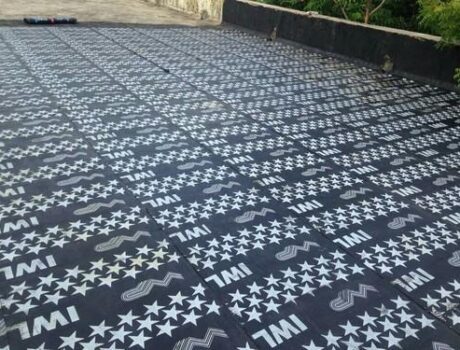
What Is a Waterproof Sheet for Roof?
A waterproof sheet is a pre-manufactured membrane installed over a roof or other structural surface to create a continuous water-resistant barrier. In industrial and construction applications, bitumen-based waterproofing membranes are commonly used because they combine flexibility, durability, and resistance to moisture.
Modern modified bituminous membranes can incorporate polymers such as APP (Atactic Polypropylene) or SBS (Styrene-Butadiene-Styrene). Depending on the product, membranes may also contain different reinforcement materials and surface finishes.
IWL India manufactures 3-layer, 5-layer, and 7-layer APP modified bituminous membranes, with options including polyester, fibreglass, and high-density polyethylene reinforcement. (IWL INDIA)
Why Is Roof Waterproofing Important?
Water infiltration may initially appear as a minor issue, but repeated exposure can cause significant structural and financial problems.
Poorly protected roofs can experience:
Water leakage
Damp patches
Concrete deterioration
Reinforcement corrosion
Mold and moisture problems
Damage to ceilings and interiors
Increased maintenance expenses
Reduced building service life
For manufacturing plants and warehouses, roof leakage can be particularly disruptive. Water may damage machinery, electrical systems, raw materials, finished products, and inventory.
A properly designed waterproofing system helps prevent these problems by creating a barrier between the roof structure and external moisture.
Types of Waterproof Sheets for Roofs
1. APP Modified Bituminous Membranes
APP membranes are widely used for roof and terrace waterproofing. The polymer modification improves the performance of bitumen and helps the membrane withstand demanding environmental conditions.
These membranes are suitable for many commercial, industrial, and infrastructure applications.
2. SBS Modified Bituminous Membranes
SBS-modified membranes incorporate Styrene-Butadiene-Styrene polymer to provide flexibility and elasticity. They can be useful where the waterproofing system needs to accommodate movement and changing temperatures.
3. Polyester-Reinforced Membranes
Polyester reinforcement provides high tensile strength and elongation characteristics. IWL India’s Hyperplas Polyester is described as a reinforced APP membrane designed for superior strength and elongation. (IWL INDIA)
4. Fibreglass-Reinforced Membranes
Fibreglass reinforcement can provide dimensional stability and is suitable for applications where a more economical reinforced membrane is required.
5. Self-Adhesive Waterproofing Sheets
Self-adhesive membranes can simplify installation because they do not necessarily require torch application. IWL India’s Hyperself is a self-adhesive, peel-and-stick membrane designed for easier application. (IWL INDIA)
Key Benefits of Waterproof Sheets for Roofs
Excellent Water Resistance
The primary purpose of a waterproof sheet is to prevent water from reaching the underlying roof structure. A properly installed membrane forms a continuous protective layer that limits water penetration.
Long-Term Roof Protection
High-quality waterproofing membranes can help protect roofs from repeated exposure to rain, moisture, and environmental conditions, reducing the likelihood of premature deterioration.
Flexibility
Roof structures experience thermal expansion and contraction throughout the year. Flexible membrane systems can accommodate a degree of movement without losing their waterproofing function.
High Mechanical Strength
Reinforced membranes can provide additional tensile strength and durability, which is particularly useful for large commercial and industrial roofs.
Reduced Maintenance
Preventing water ingress at the waterproofing stage can reduce the need for repeated leakage repairs, helping lower long-term maintenance costs.
Protection of Structural Components
Waterproofing helps keep moisture away from concrete and reinforcement. This can contribute to better long-term durability of the building structure.
Where Are Waterproof Sheets Used?
Waterproof roof sheets are suitable for a wide range of applications, including:
Industrial factory roofs
Warehouses
Commercial buildings
Residential terraces
Parking structures
Concrete roofs
Basements
Foundations
Podiums
Infrastructure projects
The appropriate membrane should be selected according to the exposure conditions, substrate, expected movement, installation method, and project specifications.
How to Install a Waterproof Sheet on a Roof
Correct installation is just as important as choosing a quality membrane.
Step 1: Prepare the Roof Surface
The substrate should be clean, dry, stable, and free from dust, grease, loose particles, and other contaminants. Cracks and damaged areas should be repaired before membrane installation.
Step 2: Apply Primer
Depending on the membrane system, a compatible primer may be required to improve adhesion between the substrate and membrane.
IWL India manufactures primers and adhesives specifically for waterproofing applications, including products designed to improve membrane adhesion. (IWL INDIA)
Step 3: Install the Membrane
The membrane should be positioned carefully and installed according to the manufacturer’s recommended method. For torch-applied systems, controlled heating is required to achieve proper bonding without damaging the membrane.
Step 4: Seal Overlaps and Joints
Membrane sheets should have the correct overlap, and joints should be properly sealed. Poorly treated joints can become potential points of water entry.
Step 5: Pay Attention to Details
Special attention should be given to:
Roof edges
Parapets
Drainage outlets
Pipe penetrations
Expansion joints
Corners
Equipment supports
These areas often require additional detailing to maintain continuous waterproofing.
Step 6: Inspect the Finished System
Before the waterproofing system is covered or placed into service, inspect the surface for gaps, loose areas, damaged sections, and poorly sealed joints.
Common Mistakes to Avoid
Even a high-quality waterproof sheet can fail when installation is poorly executed. Common mistakes include:
Installing over an unprepared surface
Ignoring existing cracks
Using an incompatible primer
Incorrect membrane overlap
Poor torch application
Leaving gaps around penetrations
Inadequate drainage
Damaging the membrane during subsequent construction
Failing to inspect completed work
Professional installation and adherence to the manufacturer’s technical recommendations are essential for achieving reliable results.
How to Choose the Right Waterproof Sheet
Choosing the right waterproofing membrane requires more than simply selecting the thickest or most expensive product.
Consider:
Roof type: Flat roofs, terraces, industrial roofs, and other structures may have different requirements.
Weather exposure: Consider rainfall, temperature, humidity, and UV exposure.
Substrate: Concrete, metal, and other substrates may require different preparation and adhesion systems.
Movement: Areas exposed to thermal expansion or structural movement may benefit from flexible membrane systems.
Reinforcement: Polyester, fibreglass, or other reinforcement options can be selected according to strength and project requirements.
Installation method: Torch-applied and self-adhesive systems have different installation requirements.
IWL India’s waterproofing range includes different membrane constructions, reinforcements, finishes, and polymer mixes to address varying project requirements. (IWL INDIA)
Why Choose IWL India?
IWL India has been manufacturing modified bitumen-based waterproofing membranes and anti-corrosive tapes since 1988 and has diversified into waterproofing, coatings, adhesives, and construction chemicals. (IWL INDIA)
Its waterproofing membrane portfolio includes APP and SBS modified membranes, with options designed for different applications and performance requirements. IWL also operates multiple manufacturing facilities and states that its membranes are manufactured to international standards and project-specific requirements. (IWL INDIA)
Conclusion
A waterproof sheet for roof is an important component of a reliable roof protection system. By creating a durable barrier against rain and moisture, waterproofing membranes can help prevent leakage, protect structural components, reduce maintenance requirements, and extend the service life of buildings.
APP and SBS modified bituminous membranes, reinforced sheet systems, and self-adhesive options provide different solutions depending on the project’s requirements. However, product selection, surface preparation, installation quality, joint detailing, and regular inspection all play an important role in achieving long-term performance.
For industrial and commercial projects, investing in a properly designed waterproofing system can help protect valuable assets and reduce the risk of costly water-related damage.
Call to Action
Looking for a reliable waterproof sheet for your roof? Explore the waterproofing solutions from IWL India at https://iwlindia.com/ and discover the complete range of Waterproofing Membranes at https://iwlindia.com/waterproofing-membranes/.
Contact IWL India today to discuss your roofing requirements and identify the right waterproofing membrane solution for your construction or industrial project.