Surface Water Testing
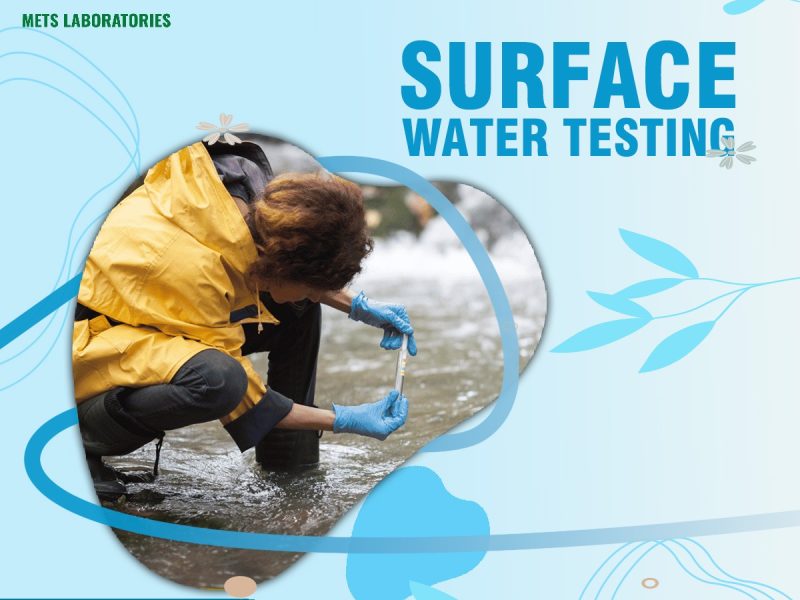
Surface water testing is a crucial process to evaluate the quality of rivers, lakes, reservoirs, and streams that serve as major sources of drinking water, irrigation, and industrial use. This testing involves analyzing parameters such as pH, dissolved oxygen, turbidity, microbial contamination, heavy metals, and chemical pollutants. Regular monitoring helps identify pollution sources, assess ecosystem health, and ensure compliance with environmental standards. By detecting harmful contaminants early, surface water testing safeguards public health, supports sustainable water management, and protects aquatic biodiversity. It also provides essential data for policymakers to develop effective water conservation and pollution control strategies.