Pipe Wrap Tape for Extreme Weather Conditions: Does It Hold Up?
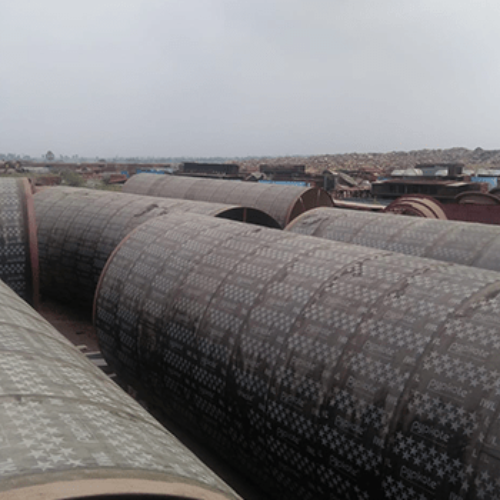
Understanding Pipe Wrap Tape in Industrial Applications
Pipe wrap tape is a specialized protective material designed to safeguard pipelines from corrosion, mechanical damage, and environmental degradation. Typically composed of polyethylene, PVC, or bituminous compounds, these tapes are applied directly to pipe surfaces, creating a barrier against moisture, chemicals, and external elements.
In industries such as oil & gas, construction, and water management, pipe wrap tapes are extensively used for:
Underground pipelines
Offshore and coastal installations
Industrial chemical pipelines
Municipal water distribution systems
The primary objective is to extend pipeline lifespan while reducing maintenance costs.
What Defines “Extreme Weather Conditions”?
Before evaluating performance, it is essential to define what constitutes extreme weather in industrial contexts. These conditions include:
High temperatures (above 50°C in desert regions)
Sub-zero temperatures (freezing environments)
Heavy rainfall and humidity
UV radiation exposure
Saline or coastal environments
Thermal cycling (frequent temperature fluctuations)
Each of these conditions presents unique challenges that can compromise the integrity of protective coatings.
Performance of Pipe Wrap Tape in High Temperatures
In regions with extreme heat—such as desert or tropical industrial zones—pipe wrap tape must maintain adhesion and structural integrity.
Key Challenges:
Softening or melting of adhesive layers
Loss of bonding strength
Expansion and contraction of materials
Performance Insights:
High-quality pipe wrap tapes, especially those made with advanced polyethylene backing and rubber-based adhesives, are engineered to withstand elevated temperatures without degradation. These tapes maintain flexibility and adhesion even under prolonged heat exposure.
However, inferior-grade tapes may fail, leading to peeling or cracking—ultimately exposing pipelines to corrosion.
Cold Weather and Sub-Zero Performance
Cold climates introduce a different set of challenges, particularly brittleness and reduced adhesive performance.
Key Challenges:
Loss of flexibility
Cracking under stress
Reduced adhesion during application
Performance Insights:
Premium pipe wrap tapes are formulated to remain flexible even in sub-zero conditions. They allow for consistent application and maintain a tight seal around the pipe surface. Additionally, certain tapes are designed with cold-weather adhesives that ensure proper bonding during installation.
Resistance to Moisture and Humidity
Moisture is one of the leading causes of pipeline corrosion. In regions with heavy rainfall or high humidity, pipe wrap tape must act as an impermeable barrier.
Key Challenges:
Water ingress
Microbial-induced corrosion
Adhesive breakdown
Performance Insights:
Multi-layered pipe wrap tapes provide excellent resistance against moisture penetration. When properly applied, they create a seamless barrier that prevents water from reaching the pipe surface. This makes them particularly effective for underground and submerged pipelines.
UV Radiation and Outdoor Exposure
For above-ground pipelines or installations exposed to direct sunlight, UV resistance becomes critical.
Key Challenges:
Degradation of tape material
Fading and cracking
Reduced lifespan
Performance Insights:
Standard pipe wrap tapes may not be inherently UV-resistant. However, UV-stabilized variants or additional outer coatings can significantly enhance durability. For long-term outdoor exposure, it is recommended to use tapes specifically designed for UV resistance or combine them with protective coatings.
Performance in Coastal and Saline Environments
Coastal regions present one of the most aggressive environments due to salt-laden air and high humidity.
Key Challenges:
Accelerated corrosion
Salt penetration
Chemical degradation
Performance Insights:
Pipe wrap tapes with strong chemical resistance and high dielectric strength perform exceptionally well in such environments. Bituminous and polyethylene-based tapes are particularly effective in preventing salt-induced corrosion when applied correctly.
The Role of Proper Application
Even the highest-quality pipe wrap tape can fail if not applied correctly. Performance in extreme weather is not solely dependent on material quality but also on installation practices.
Best Practices:
Ensure proper surface preparation (cleaning and priming)
Apply consistent tension during wrapping
Avoid air gaps or overlaps
Use compatible primers and coatings
Professional application ensures that the tape performs as intended, regardless of environmental conditions.
Comparing Pipe Wrap Tape with Alternative Solutions
While pipe wrap tape is highly effective, it is often compared with other protective methods such as:
Fusion bonded epoxy (FBE) coatings
Coal tar epoxy coatings
Heat shrink sleeves
Why Pipe Wrap Tape Stands Out:
Cost-effective solution
Easy application and maintenance
Versatility across different environments
Immediate protection without curing time
For many industrial applications, pipe wrap tape offers the perfect balance between performance and affordability.
Choosing the Right Pipe Wrap Tape for Extreme Conditions
Selecting the right tape is crucial for ensuring durability in harsh environments. Key factors to consider include:
Temperature resistance range
Adhesive type (hot or cold applied)
Thickness and layering
UV and chemical resistance
Compliance with industry standards
For reliable performance, it is essential to source products from trusted manufacturers with proven expertise in corrosion protection.
Explore high-performance solutions at
👉 https://www.iwlindia.com/pypkote-pipe-wrapping-coating-tape/
You can also learn more about industry-leading pipe protection systems at
👉 https://www.iwlindia.com/
Real-World Applications: Does It Truly Hold Up?
Across industries, pipe wrap tape has demonstrated consistent performance in extreme environments:
Oil & Gas Pipelines: Withstanding desert heat and offshore conditions
Water Infrastructure: Protecting underground pipelines in high-moisture zones
Industrial Plants: Resisting chemical exposure and temperature fluctuations
Field data and industry experience confirm that when properly selected and applied, pipe wrap tape holds up exceptionally well—even in the harshest conditions.
Limitations to Consider
While pipe wrap tape is highly effective, it is not without limitations:
Requires skilled application for optimal results
May need additional UV protection for outdoor use
Performance depends on surface preparation
Understanding these limitations helps in making informed decisions and avoiding premature failures.
Future Innovations in Pipe Wrapping Technology
The industry continues to evolve with advancements in materials and technology:
Self-healing coatings
Nano-enhanced adhesives
Multi-layer hybrid systems
Improved UV and thermal resistance
These innovations are further enhancing the reliability of pipe wrap tape in extreme conditions, making it a future-ready solution.
Conclusion: Does Pipe Wrap Tape Hold Up?
The answer is a confident yes—when the right product is chosen and applied correctly.
Pipe wrap tape has proven its capability to withstand extreme weather conditions, from scorching heat to freezing temperatures, and from high humidity to saline environments. Its versatility, cost-effectiveness, and ease of application make it a preferred choice across industries.
However, success lies in selecting high-quality materials and following best installation practices.