Pipe Coating Tape Maintenance Tips for Long-Lasting Performance
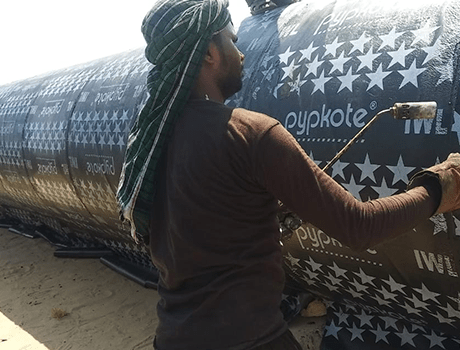
Why Pipe Coating Tape Maintenance Matters
Pipe coating tapes act as a protective barrier between the pipe surface and external environmental conditions. Over time, factors such as UV exposure, soil stress, moisture, chemicals, and temperature fluctuations can impact the integrity of the coating system.
Without regular maintenance, damaged coatings may lead to:
Corrosion under insulation
Pipeline leakage
Reduced operational efficiency
Structural failures
Increased repair and replacement costs
Routine maintenance helps industries identify minor coating issues before they become major operational problems. This proactive approach increases asset life and supports uninterrupted industrial performance.
Conduct Regular Visual Inspections
One of the most important maintenance practices is periodic visual inspection. Industrial maintenance teams should inspect exposed pipelines regularly to identify visible damage or coating deterioration.
During inspections, look for:
Cracks or peeling in the tape
Surface punctures
Loose wrapping edges
Moisture penetration
Rust formation
Mechanical damage from handling or external impact
Early detection allows operators to perform immediate corrective actions and avoid large-scale pipeline failures.
For underground pipelines, scheduled inspections using advanced testing methods such as holiday detection or cathodic protection monitoring can further improve maintenance efficiency.
Keep Pipe Surfaces Clean
Contaminants such as dirt, oil, grease, chemicals, and moisture can affect the adhesion and performance of pipe coating tapes. Proper surface cleanliness is essential for maintaining coating integrity over time.
Maintenance teams should ensure that:
Pipe surfaces remain free from accumulated debris
Water stagnation around coated pipes is avoided
Corrosive chemicals are cleaned immediately
Industrial pollutants are monitored in harsh environments
In industrial facilities, routine cleaning schedules can prevent external contamination from weakening the coating system.
Monitor Environmental Exposure
Environmental conditions have a significant impact on pipeline coating performance. Pipelines exposed to extreme temperatures, coastal environments, chemical plants, or high humidity areas require more frequent monitoring.
Some common environmental risks include:
UV Radiation
Continuous sunlight exposure may weaken certain coating materials over time. UV-resistant outer wraps or protective coverings can help improve durability.
Moisture and Water Exposure
Excessive moisture can accelerate corrosion if the tape system becomes damaged. Proper drainage and waterproof wrapping systems are essential.
Chemical Exposure
Industrial chemicals and aggressive substances can compromise coating performance. Maintenance teams should verify chemical compatibility when selecting or replacing pipe coating tapes.
Using industrial-grade solutions like Pypkote Pipe Wrapping Coating Tape helps industries achieve reliable corrosion protection even in challenging environments.
Ensure Proper Application During Repairs
Improper repair methods can reduce the lifespan of pipe coating systems. Whenever coating damage is identified, repairs should follow manufacturer-recommended procedures.
Best practices include:
Cleaning and preparing the damaged surface properly
Removing rust before reapplication
Applying the tape with correct tension
Maintaining proper overlap during wrapping
Avoiding air pockets or wrinkles
Professional application ensures strong adhesion and long-term protection.
Industrial maintenance teams should also use compatible primer systems where required to improve bonding strength and coating efficiency.
Protect Pipelines from Mechanical Damage
Mechanical stress is one of the leading causes of coating failure in industrial pipelines. Damage may occur during transportation, installation, excavation, or routine industrial operations.
To minimize risks:
Use protective padding during handling
Avoid sharp impacts on coated surfaces
Install warning markers near underground pipelines
Train workers on safe handling procedures
Inspect pipelines after maintenance work or excavation
Mechanical protection is especially important for buried pipelines operating in high-traffic industrial areas.
Schedule Preventive Maintenance Programs
Reactive maintenance can lead to expensive repairs and unexpected downtime. Instead, industries should implement preventive maintenance schedules to monitor coating performance regularly.
A structured maintenance program should include:
Routine inspection intervals
Corrosion monitoring
Surface condition analysis
Coating thickness checks
Documentation of repair history
Risk assessment for critical pipelines
Preventive maintenance not only improves coating lifespan but also supports operational reliability and asset management strategies.
Choose High-Quality Pipe Coating Tape Solutions
The quality of the coating material directly impacts long-term performance. Low-grade tapes may fail prematurely, leading to higher maintenance costs and increased operational risks.
Industrial buyers should consider:
Corrosion resistance capability
Adhesion strength
Environmental compatibility
Mechanical durability
Compliance with industry standards
Long-term lifecycle performance
Advanced pipeline protection solutions from trusted manufacturers help industries reduce maintenance frequency and improve pipeline reliability.
Train Maintenance Teams Properly
Even the best pipe coating products require skilled handling and application. Proper workforce training ensures maintenance activities are performed according to industry standards.
Training programs should focus on:
Surface preparation methods
Correct tape wrapping techniques
Inspection procedures
Safety protocols
Repair standards
Corrosion prevention strategies
Experienced maintenance personnel can significantly improve coating performance and minimize operational risks.
Final Thoughts
Pipe coating tapes are a vital component in protecting industrial pipelines from corrosion and environmental damage. However, long-lasting performance depends heavily on proper maintenance, inspection, and repair practices.
By implementing preventive maintenance programs, monitoring environmental conditions, and using high-quality coating systems, industries can maximize pipeline durability and reduce operational costs.
For businesses looking for reliable and long-term corrosion protection solutions, advanced products like Pypkote pipe wrapping systems offer excellent performance across demanding industrial applications.
Conclusion
Effective maintenance of pipe coating tape systems is essential for ensuring pipeline safety, operational efficiency, and long-term asset protection. Regular inspections, proper cleaning, skilled application, and preventive maintenance strategies can significantly extend the lifespan of industrial pipelines.
Looking for dependable pipe coating and wrapping solutions for your industrial projects? Visit IWL India Official Website to explore advanced corrosion protection products and discover how Pypkote Pipe Wrapping Coating Tape Solutions can help enhance pipeline performance and durability for long-term industrial success.