How to Apply Pipe Wrapping Tape Correctly | Step-by-Step Guide
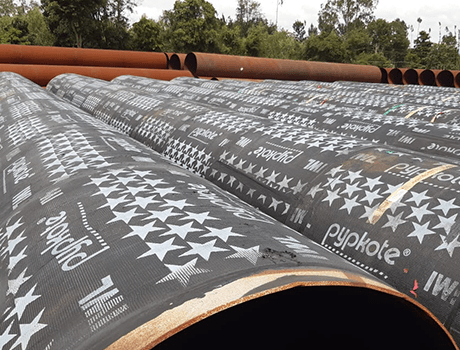
Why Proper Application Matters
Before diving into the process, it’s important to understand why correct application is critical.
Improper wrapping can lead to:
Air gaps and moisture ingress
Weak adhesion between layers
Early corrosion and coating failure
Increased maintenance costs
On the other hand, a properly applied pipe wrapping system creates a continuous, impermeable barrier that protects pipelines for decades.
High-performance solutions like those available at https://www.iwlindia.com are engineered for durability—but they must be installed with precision to deliver expected results.
Tools and Materials Required
A successful application starts with proper preparation. Ensure you have the following:
Pipe wrapping tape (e.g., Pypkote)
Primer (compatible with the wrapping tape)
Wire brush or blasting equipment
Cleaning cloths
Measuring tape
Gloves and safety gear
Roller or hand applicator
Using a complete system—including primer and tape—ensures optimal adhesion and protection.
Step-by-Step Guide to Applying Pipe Wrapping Tape
Step 1: Surface Preparation
Surface preparation is the most critical stage in the entire process. A poorly prepared surface will compromise the entire coating system.
Process:
Remove dirt, oil, grease, and rust
Use wire brushing or sandblasting for thorough cleaning
Ensure the surface is dry and free from contaminants
Industry Insight:
In manufacturing environments, surface preparation often determines up to 70% of coating performance. Skipping or rushing this step can lead to premature failure.
Step 2: Applying the Primer
Primer acts as a bonding agent between the pipe surface and the wrapping tape.
Process:
Apply a uniform layer of primer using a brush or spray
Ensure complete coverage without gaps
Allow the primer to become tacky (not fully dry) before wrapping
A compatible primer enhances adhesion and ensures long-term durability.
Step 3: Selecting the Right Wrapping Technique
There are two common wrapping techniques:
Spiral Wrapping (Helical Method)
Longitudinal Wrapping (Straight Method)
The spiral method is most commonly used for pipelines as it provides uniform coverage and overlap strength.
Step 4: Wrapping the Tape
This is the core step where precision is essential.
Process:
Start wrapping from one end of the pipe
Maintain consistent tension while applying the tape
Overlap each layer by 25% to 55% (as per specification)
Avoid wrinkles, air pockets, or gaps
Key Tip:
Consistent tension ensures tight adhesion and prevents future loosening.
High-quality wrapping solutions like Pypkote are designed for easy application and strong bonding. Learn more here:

Step 5: Ensuring Proper Overlap
Overlap is essential for creating a continuous protective layer.
Minimum overlap: 25%
Recommended overlap: 50% for high-risk environments
Proper overlap ensures that no part of the pipe is exposed to external elements.
Step 6: Applying Additional Layers (If Required)
For high-corrosion environments, multiple layers may be required.
Process:
Apply additional wrapping layers as per project specifications
Maintain uniform thickness throughout
Multi-layer wrapping systems provide enhanced protection in aggressive conditions.
Step 7: Final Inspection
Inspection ensures that the application meets quality standards.
Check for:
Uniform coverage
No air bubbles or wrinkles
Proper adhesion
Consistent overlap
Any defects should be corrected immediately to avoid long-term issues.
Step 8: Curing and Protection
After application:
Allow the wrapping to settle properly
Avoid immediate backfilling or exposure to stress
Protect the coated pipe from mechanical damage during handling
Common Mistakes to Avoid
Even experienced teams can make errors during application. Here are some common mistakes to watch out for:
1. Inadequate Surface Preparation
Skipping proper cleaning leads to poor adhesion.
2. Incorrect Primer Application
Too much or too little primer affects bonding.
3. Uneven Wrapping Tension
Loose wrapping can cause gaps and moisture entry.
4. Insufficient Overlap
This leaves parts of the pipe exposed.
5. Ignoring Environmental Conditions
Applying tape in wet or dusty conditions can reduce effectiveness.
Best Practices for Industrial Applications
Based on industry experience, the following best practices can significantly improve results:
Always follow manufacturer guidelines
Use high-quality materials and compatible primers
Train application teams regularly
Conduct quality checks at every stage
Document the application process for compliance
Companies that follow these practices achieve longer pipeline life and lower maintenance costs.
Benefits of Correct Pipe Wrapping Application
When applied correctly, pipe wrapping tape offers several advantages:
1. Long-Term Corrosion Protection
Creates a durable barrier against moisture and chemicals
2. Reduced Maintenance Costs
Minimizes repairs and downtime
3. Enhanced Pipeline Lifespan
Extends service life significantly
4. Improved Operational Efficiency
Ensures uninterrupted pipeline performance
Applications Across Industries
Properly applied pipe wrapping tape is used in:
Oil & gas pipelines
Water distribution systems
Industrial processing plants
Fire protection pipelines
Infrastructure projects
Its versatility makes it a preferred solution across multiple sectors.
Why Choosing the Right Product Matters
While application technique is crucial, the quality of the product also plays a significant role. Advanced wrapping systems from trusted manufacturers like IWL India are designed to deliver:
Strong adhesion
High durability
Resistance to environmental stress
Using a reliable product ensures that your application efforts translate into long-term performance.
Conclusion
Applying pipe wrapping tape correctly is essential for ensuring effective pipeline protection. From surface preparation to final inspection, every step plays a crucial role in achieving a durable and reliable coating system.
In industrial and manufacturing environments, where pipeline failure can lead to significant losses, proper application is not just a technical requirement—it is a business necessity.
By following a structured, step-by-step approach and using high-quality materials, organizations can significantly enhance pipeline performance and reduce long-term costs.