Cementitious Coating: A Complete Guide to Waterproofing and Surface Protection
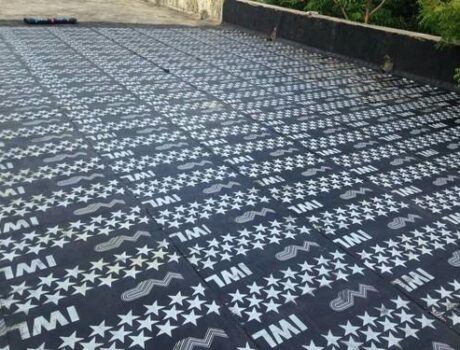
For industrial and construction requirements, explore IWL India and its range of Liquid Waterproofing Solutions. IWL India manufactures specialized liquid waterproofing products supplied for application on surfaces requiring protection from water ingress. (IWL INDIA)
What Is Cementitious Coating?
Cementitious coating is a cement-based protective coating applied to concrete, masonry, and other compatible mineral substrates. Depending on the formulation, it can contain polymers, aggregates, fillers, and performance-enhancing additives.
When mixed and applied correctly, the material forms a continuous protective layer over the substrate. This layer helps reduce water penetration and can also provide protection against environmental factors that contribute to concrete deterioration.
Polymer-modified cementitious coatings can offer additional flexibility and crack-bridging characteristics compared with conventional rigid cement-based coatings. (PubMed Central (PMC))
For manufacturing and infrastructure projects, choosing the appropriate formulation is important because the coating must match the substrate, exposure conditions, movement requirements, and intended service environment.
Why Is Cementitious Coating Important?
Concrete structures can encounter water from several sources, including rainfall, groundwater, condensation, hydrostatic pressure, and industrial processes.
If water penetrates concrete repeatedly, it can contribute to deterioration and create pathways for aggressive substances to reach embedded reinforcement. In industrial environments, chemicals and salts can further increase the durability challenges.
A properly specified cementitious coating can help:
Reduce water penetration
Protect concrete surfaces
Improve resistance to moisture exposure
Reduce deterioration caused by environmental conditions
Extend maintenance intervals
Support longer service life of concrete assets
The coating should be considered as part of an overall waterproofing and concrete-protection system rather than a substitute for proper structural design and repair.
Key Benefits of Cementitious Coating
1. Effective Waterproofing
The primary advantage of cementitious coating is its ability to provide a water-resistant barrier on suitable concrete and masonry surfaces.
This makes it useful in areas where controlling water ingress is an important part of asset protection.
2. Strong Bond With Mineral Substrates
Cementitious materials are well suited to concrete and masonry surfaces. With appropriate surface preparation, the coating can establish a strong bond with the substrate.
Good adhesion is essential because poor surface preparation can result in debonding, cracking, or premature coating failure.
3. Protection Against Environmental Exposure
Cementitious protective systems can help protect concrete from water and certain aggressive environmental agents. Some polymer-modified formulations are designed specifically for protection against chloride ions, carbon dioxide, and water. (Resapol)
4. Suitable for Damp Environments
Certain cementitious systems are designed to work with damp mineral substrates, subject to the manufacturer’s requirements.
This can be an advantage in below-grade and water-related construction where achieving completely dry conditions may be difficult.
5. Seamless Surface Protection
When correctly applied, cementitious coatings can create continuous coverage across the treated surface. Proper detailing at corners, joints, penetrations, and transitions remains essential.
6. Versatile Application
Depending on the product formulation, cementitious waterproofing can be applied using methods such as brush, roller, trowel, or spray.
The appropriate application method should always be selected according to the product’s technical data and project conditions.
Common Applications of Cementitious Coating
Cementitious coatings are used across residential, commercial, civil, and industrial construction.
Water-Retaining Structures
Water tanks, reservoirs, concrete channels, and similar structures require reliable protection against water movement. Suitable cementitious waterproofing systems can help minimize water penetration.
Basements and Foundations
Below-ground structures can experience groundwater and hydrostatic pressure. Cementitious waterproofing can be used as part of a suitable below-grade protection system.
Concrete Walls
External and internal concrete walls can be exposed to moisture, rain, and environmental contaminants. Protective coatings can help improve surface durability.
Wet Areas
Bathrooms, utility areas, kitchens, and other wet environments can benefit from appropriate waterproofing systems before subsequent finishes are installed.
Industrial Facilities
Manufacturing plants, treatment facilities, utility structures, and other industrial environments often require durable concrete protection against moisture and environmental exposure.
Infrastructure Projects
Cementitious coatings can also be considered for concrete infrastructure such as culverts, retaining structures, bridge components, and water-management facilities, depending on the exposure conditions and specified product performance.
How to Apply Cementitious Coating Correctly
Application quality plays a major role in waterproofing performance. Even a high-quality coating can fail if the substrate is poorly prepared.
Step 1: Inspect the Surface
Check the concrete or masonry for cracks, honeycombing, loose material, surface contamination, and other defects.
Structural defects should be appropriately repaired before waterproofing.
Step 2: Clean the Substrate
Remove dust, dirt, oil, grease, loose particles, laitance, and other contaminants that could interfere with adhesion.
Step 3: Repair Defects
Fill holes, cracks, voids, and damaged areas with a compatible repair material according to the project specification.
Step 4: Prepare the Surface Condition
The required substrate condition depends on the specific cementitious product. Some systems are designed for damp substrates, while others may require particular moisture conditions.
Always follow the manufacturer’s technical instructions.
Step 5: Mix Correctly
For two-component or polymer-modified systems, mix the components in the specified ratio. Avoid adding excess water or other materials unless specifically permitted.
Step 6: Apply the Coating
Apply the recommended number of coats at the specified thickness using the appropriate application method.
Ensure uniform coverage without pinholes, missed areas, excessive buildup, or visible discontinuities.
Step 7: Cure Properly
Allow the coating to cure according to the manufacturer’s requirements before exposing it to water, backfilling, mechanical loads, or subsequent construction activities.
Common Mistakes to Avoid
Several application errors can reduce the effectiveness of cementitious waterproofing.
Common problems include:
Applying over a contaminated surface
Ignoring cracks and substrate defects
Using incorrect mixing ratios
Applying insufficient thickness
Applying during unsuitable environmental conditions
Failing to treat corners and penetrations
Allowing premature drying or inadequate curing
Exposing the coating to service conditions too early
Professional surface preparation and application are therefore essential for long-term performance.
Cementitious Coating vs. Liquid Waterproofing Membranes
Cementitious coatings and liquid waterproofing membranes can both provide water protection, but their characteristics and ideal applications can differ.
Cementitious systems are particularly compatible with concrete and masonry substrates and can be useful where a mineral-based protective coating is preferred. Liquid membrane systems, on the other hand, can be formulated from materials such as polyurethane or acrylic-polyurethane and may provide greater flexibility or seamless membrane characteristics depending on the product. IWL India’s liquid waterproofing range includes polyurethane- and acrylic/polyurethane-based products for specialized applications. (IWL INDIA)
The correct choice should depend on substrate condition, water exposure, expected movement, application method, and project specifications.
Why Choose IWL India?
IWL India has developed a broad portfolio of waterproofing, coating, construction chemical, membrane, sealant, and adhesive solutions for civil and industrial applications. The company states that it manufactures liquid waterproofing products and provides application support through its technical and application teams. (IWL INDIA)
For projects requiring liquid waterproofing and surface protection, explore the dedicated IWL India Liquid Waterproofing range.
Conclusion
Cementitious coating is an important solution for waterproofing and protecting suitable concrete and masonry surfaces. Its strong compatibility with mineral substrates, water-resistant properties, versatility, and potential for long-term surface protection make it valuable across construction and industrial applications.
However, successful waterproofing depends on more than the coating itself. Proper substrate preparation, correct mixing, appropriate application thickness, detailed treatment of vulnerable areas, and adequate curing are all essential to achieving reliable performance.
For industrial facilities and modern construction projects, selecting a cementitious or liquid waterproofing system based on actual site conditions can help protect valuable concrete assets, reduce water-related maintenance, and improve long-term durability.
Call to Action
Looking for reliable waterproofing and surface protection solutions for your construction or industrial project?
Explore the complete range from IWL India and discover its Liquid Waterproofing Solutions designed for demanding construction applications.
Contact IWL India today to discuss your waterproofing requirements and identify a suitable solution for your project.