Anti-Corrosion Tape: A Complete Guide to Protecting Metal Pipes
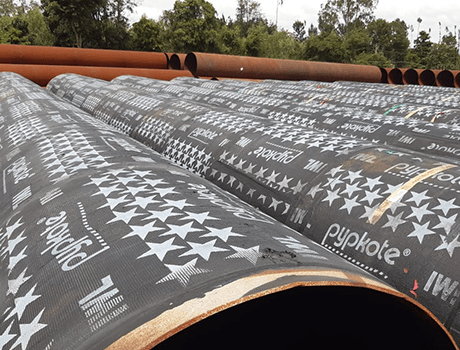
What Is Anti-Corrosion Tape?
Anti-corrosion tape is a specialized wrapping material used to protect metal pipes, pipelines, joints, and other metal surfaces from external corrosion. Many pipeline tapes use bitumen-based formulations that create a water-resistant barrier around the substrate.
For example, IWL India’s Pypkote is a bitumen-based anti-corrosion tape designed for pipelines, industrial equipment, and metal structures. Its listed specifications include a thickness range of 2–6 mm, impermeability to water, and resistance to acids, salts, and alkalis. (dashboard.iwlindia.com)
Unlike conventional paint coatings, wrapping tape can provide continuous physical coverage around the pipe. This makes it particularly useful for buried pipelines where the external surface is exposed to soil and groundwater.
Why Do Metal Pipes Need Anti-Corrosion Protection?
Corrosion occurs when metal reacts with its surrounding environment. For pipelines, moisture and oxygen are major contributors, while soil chemistry, salts, chemicals, and stray electrical currents can further increase corrosion risks.
Underground pipelines are particularly challenging because they may remain inaccessible after installation. If corrosion develops beneath the surface, identifying and repairing the affected area can require excavation and significant operational resources.
An effective anti-corrosion tape system can help:
Reduce moisture exposure
Protect against soil corrosion
Minimize external rust formation
Improve pipeline durability
Reduce maintenance requirements
Extend the service life of metal pipes
Protect critical industrial infrastructure
Key Benefits of Anti-Corrosion Tape
1. Excellent Moisture Protection
Water is one of the most important factors contributing to external corrosion. A properly applied anti-corrosion tape creates a protective barrier that limits moisture from reaching the metal substrate.
Pypkote, for example, is specified as impermeable to water, supporting its use in environments where moisture resistance is important. (dashboard.iwlindia.com)
2. Protection Against Soil Corrosion
Underground pipes are continuously exposed to surrounding soil. Depending on location, soil may contain salts, acids, alkalis, and other substances that accelerate corrosion.
A suitable wrapping system helps isolate the pipe from these environmental conditions.
3. Flexibility
Pipelines can experience minor movement caused by temperature changes, ground movement, vibration, and operational conditions. Flexible wrapping materials can accommodate these movements better than rigid protective layers.
4. Strong Adhesion
Proper adhesion is essential for preventing gaps and moisture pathways beneath the coating. A compatible primer can improve bonding between the metal surface and the wrapping tape.
IWL India offers Pypstick, a synthetic rubber-based bitumen primer designed to enhance adhesion between Pypkote and pipeline surfaces. (IWL INDIA)
5. Chemical Resistance
Industrial pipelines may encounter chemicals, salts, and aggressive soil conditions. Pypkote’s published specifications indicate resistance to acids, salts, and alkalis, making chemical resistance an important feature for demanding applications. (dashboard.iwlindia.com)
6. Reduced Maintenance
A durable anti-corrosion system can reduce the frequency of corrosion-related repairs and recoating. This is especially valuable for buried pipelines because excavation and restoration work can be expensive.
Common Applications of Anti-Corrosion Tape
Anti-corrosion tapes are used across several industrial sectors.
Oil and Gas Pipelines
Crude oil and natural gas pipelines often run underground or through harsh environments. Anti-corrosion wrapping helps protect the external pipe surface against moisture and soil corrosion.
Water Supply Pipelines
Steel water pipelines can be exposed to moisture and aggressive soil conditions. A suitable external wrapping system can help improve their resistance to environmental corrosion.
Industrial Pipelines
Manufacturing and processing plants use pipelines to transport chemicals, water, gases, and other materials. External corrosion protection is important for maintaining reliable infrastructure.
Underground Utility Pipes
Buried metal pipes are difficult to inspect and repair once installed. Applying a protective system before backfilling helps provide long-term external protection.
Pipeline Joints and Repairs
Anti-corrosion tape can also be used for field repairs, joints, bends, and other areas where additional protective coverage is required, depending on the product specification.
Types of Anti-Corrosion Tape
Different pipeline conditions require different tape technologies.
Bituminous Anti-Corrosion Tape
Bituminous tapes are widely used for pipeline wrapping because of their water-resistant properties and flexibility. Pypkote is an example of a bitumen-based anti-corrosion tape system. (dashboard.iwlindia.com)
Self-Adhesive Pipe Wrapping Tape
Self-adhesive systems can simplify application because they can be installed using a peel-and-stick process, subject to the manufacturer’s application instructions.
Coal Tar-Based Wrapping Tape
Coal tar-based tapes are available for applications requiring additional protective properties. IWL India’s Pypkote range includes AW variants described as coal-tar-based pipe coating tapes. (dashboard.iwlindia.com)
The correct selection should depend on the pipeline material, environmental conditions, operating temperature, application method, and project specifications.
How to Apply Anti-Corrosion Tape Correctly
Correct application is just as important as choosing the right product.
Step 1: Surface Preparation
Clean the pipe thoroughly and remove dirt, grease, rust, loose scale, and other contaminants. IWL India’s application guidance identifies surface preparation as a critical step for achieving good adhesion. (IWL INDIA)
Step 2: Apply Primer
Where required, apply the recommended primer evenly across the prepared surface. Allow it to reach the appropriate condition before wrapping.
Step 3: Wrap the Tape
Apply the tape in a spiral or circumferential pattern according to the product instructions. Maintain consistent tension and the specified overlap to achieve continuous coverage.
Step 4: Protect Joints and Welds
Pay additional attention to weld joints, bends, fittings, and irregular surfaces. These areas can require additional wrapping or specialized detailing.
Step 5: Inspect the Coating
Before backfilling an underground pipeline, inspect the wrapping for gaps, loose ends, wrinkles, holes, and uncovered areas. Correct any defects before installation is completed. (IWL INDIA)
Common Mistakes to Avoid
Poor application can reduce the effectiveness of even a high-quality anti-corrosion tape. Common mistakes include:
Applying tape over an unclean surface
Using an incompatible primer
Incorrect overlap
Excessive or insufficient wrapping tension
Leaving gaps between layers
Ignoring weld joints and bends
Backfilling before inspection
Damaging the coating during installation
Following the manufacturer’s technical instructions and application recommendations helps achieve more consistent results.
Why Choose Pypkote for Metal Pipe Protection?
Pypkote is designed as an anti-corrosion pipe wrapping solution for industrial pipeline applications. IWL India describes it as suitable for buried and above-ground pipelines and lists applications across oil and gas, water supply, and infrastructure projects. (dashboard.iwlindia.com)
The product range includes different configurations such as 2 mm and 4 mm variants, self-adhesive options, and coal-tar-based AW products. This allows project teams to select an appropriate solution based on application requirements. (dashboard.iwlindia.com)
Conclusion
Anti-corrosion tape is an important solution for protecting metal pipes from moisture, soil chemicals, and external environmental exposure. Its flexibility, water resistance, chemical resistance, and practical application make it particularly useful for underground and industrial pipeline protection.
However, long-term performance depends on more than the tape itself. Proper surface preparation, compatible primer selection, correct wrapping tension, adequate overlap, joint detailing, and final inspection are essential parts of an effective coating system.
For industries managing valuable pipeline infrastructure, investing in a properly specified anti-corrosion tape system can help reduce corrosion risks, minimize maintenance requirements, and extend the service life of metal pipes.
Call to Action
Looking for a reliable anti-corrosion tape for metal pipes and pipelines? Explore Pypkote Pipe Wrapping Coating Tape from IWL India for industrial corrosion protection applications.
Visit IWL India to explore the complete range of corrosion protection solutions, or view Pypkote Pipe Wrapping Coating Tape for product details.
Contact IWL India today to discuss your pipeline protection requirements and find a suitable anti-corrosion solution for your project.