Best Materials Used for Underground Pipeline Protection
Why Underground Pipeline Protection Matters
Buried pipelines face numerous challenges that can compromise their structural integrity over time. Factors such as soil moisture, chemical contaminants, fluctuating temperatures, and mechanical stresses contribute to corrosion and physical damage.
Effective pipeline protection offers several key benefits:
Prevents external corrosion
Increases pipeline service life
Reduces maintenance and repair costs
Improves operational reliability
Protects the environment from leaks
Ensures compliance with industry standards
Using the right protective materials is the foundation of an effective corrosion management strategy.
1. Polyethylene (PE) Pipe Wrapping Tape
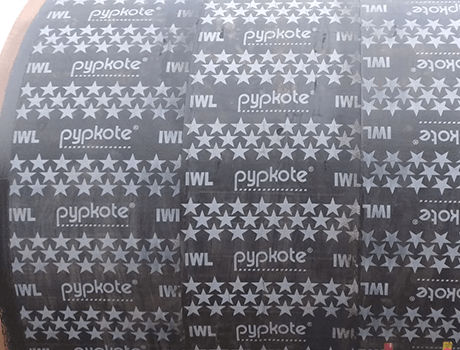
Polyethylene (PE) pipe wrapping tape is one of the most widely used materials for underground pipeline protection. Designed specifically for corrosion prevention, PE wrapping tapes create a durable barrier that prevents moisture, oxygen, and corrosive chemicals from reaching the pipe surface.
Key Advantages
Excellent corrosion resistance
High mechanical strength
Superior moisture barrier
Flexible installation
Long service life
Resistant to chemicals and soil contaminants
PE pipe wrapping tapes are commonly used in oil & gas pipelines, water transmission lines, and industrial process pipelines due to their reliability and cost-effectiveness.
High-performance solutions such as Pypkote Pipe Wrapping Coating Tape provide multi-layer protection and are engineered for demanding underground applications. Learn more about the product here:
2. Polypropylene (PP) Coating Systems
Polypropylene coatings provide excellent mechanical protection in addition to corrosion resistance. These coatings are often selected for pipelines operating in harsh environments where abrasion and impact resistance are equally important.
Benefits of PP Coatings
High impact resistance
Excellent chemical resistance
Superior thermal stability
Long-term durability
Ideal for high-temperature pipelines
Polypropylene coating systems are widely used in offshore and onshore pipeline projects where environmental conditions are particularly demanding.
3. Fusion Bonded Epoxy (FBE) Coatings
Fusion Bonded Epoxy (FBE) is one of the industry’s most trusted anti-corrosion coating materials. The coating is applied as a dry powder that melts and chemically bonds to the steel surface, creating a highly durable protective layer.
Advantages
Strong adhesion to steel
Excellent corrosion protection
Smooth coating surface
High dielectric strength
Compatible with cathodic protection systems
FBE coatings are frequently used as the primary coating layer in multi-layer pipeline protection systems.
4. Three-Layer Polyethylene (3LPE) Coating
3LPE coating systems combine three different protective layers into one integrated solution.
The system typically includes:
Fusion Bonded Epoxy primer
Adhesive copolymer layer
Polyethylene outer layer
This combination provides outstanding protection against corrosion, mechanical damage, and environmental exposure.
Key Benefits
Exceptional adhesion
Excellent abrasion resistance
High impact strength
Superior moisture protection
Long operational lifespan
3LPE is widely regarded as one of the most effective protection systems for buried steel pipelines.
5. Coal Tar Enamel (Traditional Protection)
Although modern coating technologies have largely replaced coal tar enamel, it remains present in some legacy pipeline systems.
Coal tar enamel provides:
Water resistance
Basic corrosion protection
Good adhesion
However, environmental concerns and advancements in coating technology have made polyethylene and epoxy-based systems the preferred choices for new projects.
6. Petrolatum Tape
Petrolatum tape is commonly used for irregular pipe surfaces, joints, valves, and fittings. It consists of a non-woven fabric saturated with petrolatum compounds that repel moisture.
Advantages
Easy application
Flexible wrapping
Excellent water resistance
Suitable for field repairs
Compatible with complex pipeline geometries
Petrolatum tapes are often used alongside primary coating systems for additional protection.
7. Liquid Epoxy Coatings
Liquid epoxy coatings are applied directly onto the pipeline surface and cure to form a seamless protective barrier.
These coatings provide:
Excellent adhesion
High chemical resistance
Durable protection
Smooth finish
Easy maintenance
Liquid epoxy systems are frequently used for pipeline rehabilitation and maintenance projects.
8. Cathodic Protection Components
While not a coating material, cathodic protection plays a crucial role in underground pipeline protection.
The system uses sacrificial anodes or impressed current technology to redirect corrosion away from the pipeline.
When combined with high-quality coating materials, cathodic protection significantly extends pipeline lifespan and enhances overall system performance.
Choosing the Right Material
Selecting the best protection material depends on several project-specific factors, including:
Soil conditions
Moisture levels
Chemical exposure
Pipeline operating temperature
Mechanical loading
Expected service life
Installation environment
Maintenance requirements
Many modern pipeline projects use a combination of protective materials rather than relying on a single solution. For example, Fusion Bonded Epoxy coatings are often paired with polyethylene outer layers and cathodic protection systems to achieve comprehensive corrosion resistance.
Why Pipe Wrapping Tape Remains a Preferred Choice
Among all available protection materials, pipe wrapping tape continues to be one of the most practical and cost-effective solutions for underground pipelines.
Its advantages include:
Quick installation
Excellent corrosion protection
Strong resistance to soil chemicals
Long-lasting durability
Low maintenance requirements
Compatibility with various pipeline coatings
For industries seeking dependable corrosion protection, premium pipe wrapping systems deliver outstanding long-term performance while minimizing maintenance costs.
To explore advanced pipeline protection solutions, visit:
Conclusion
Underground pipelines are long-term infrastructure investments that require reliable protection against corrosion, moisture, chemicals, and mechanical damage. Selecting the appropriate protection materials is essential for maintaining pipeline integrity, reducing operational risks, and extending service life.
Materials such as polyethylene pipe wrapping tapes, Fusion Bonded Epoxy coatings, polypropylene systems, 3LPE coatings, liquid epoxies, and cathodic protection technologies each play an important role in comprehensive pipeline protection. When combined strategically, these solutions provide exceptional durability and long-term performance in even the harshest underground environments.
Protect Your Underground Pipelines with IWL India
Looking for reliable and high-performance underground pipeline protection solutions? IWL India offers industry-proven pipe wrapping tapes and corrosion protection systems designed to maximize pipeline lifespan and operational efficiency.
Visit https://www.iwlindia.com/ to explore their complete range of pipeline protection products, or learn more about Pypkote Pipe Wrapping Coating Tape at https://www.iwlindia.com/pypkote-pipe-wrapping-coating-tape/ and choose the right solution for your next pipeline project.