Industrial Uses of Pipe Wrapping Tape in Oil & Gas Sectors
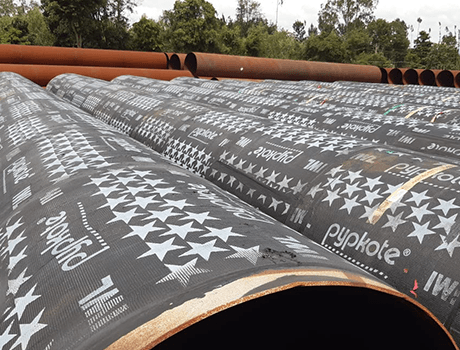
Understanding Pipe Wrapping Tape
Pipe wrapping tape is a specialized anti-corrosion material applied externally to steel pipelines and metal structures. It acts as a protective barrier that prevents direct contact between the pipeline surface and corrosive environmental elements such as water, oxygen, salts, and industrial chemicals.
These tapes are commonly manufactured using polyethylene, PVC, butyl rubber, or petrolatum-based compounds. They are designed to deliver strong adhesion, high durability, and long-term corrosion resistance even under extreme operating conditions.
Modern solutions like Pypkote Pipe Wrapping Coating Tape are widely used in industrial sectors because of their superior performance and ease of application.
Importance of Corrosion Protection in Oil & Gas Industries
Corrosion remains one of the biggest challenges in the oil and gas sector. Pipelines transport crude oil, natural gas, chemicals, and refined products over long distances, often through aggressive environments. Without proper protection, corrosion can lead to:
Pipeline leakage
Environmental contamination
Production downtime
Expensive repairs
Safety hazards
Reduced pipeline lifespan
Pipe wrapping tape helps industries minimize these risks by providing a reliable external coating system that protects pipelines from corrosion and mechanical damage.
Major Industrial Uses of Pipe Wrapping Tape
1. Underground Pipeline Protection
One of the primary applications of pipe wrapping tape is underground pipeline protection. Buried pipelines are continuously exposed to moisture, soil bacteria, salts, and chemicals that accelerate corrosion.
Pipe wrapping tape creates a protective outer layer that isolates the steel surface from soil contact. This significantly improves the service life of underground pipelines used for:
Crude oil transportation
Natural gas distribution
Water injection systems
Petrochemical transfer lines
In oil and gas infrastructure projects, anti-corrosion wrapping tapes are often combined with primers for enhanced adhesion and long-term durability.
2. Offshore Pipeline Applications
Offshore oil and gas operations face extremely harsh marine environments. Saltwater exposure, humidity, and fluctuating temperatures can rapidly damage unprotected metal surfaces.
Pipe wrapping tapes used in offshore applications are engineered to withstand:
Saltwater corrosion
UV exposure
Mechanical stress
High humidity conditions
These tapes are commonly applied to subsea pipelines, offshore risers, and platform piping systems to improve corrosion resistance and reduce maintenance requirements.
3. Pipeline Joint Coating
Welded joints are among the most vulnerable sections of pipelines because the protective factory coating is removed during welding operations. If left unprotected, these exposed areas become corrosion hotspots.
Pipe wrapping tape is extensively used for field joint coating applications. It provides seamless protection around welded sections and restores the anti-corrosion barrier.
Industrial-grade wrapping tapes ensure:
Strong adhesion around irregular surfaces
Fast installation
Long-term sealing performance
Resistance against moisture penetration
This makes them highly suitable for on-site pipeline construction projects.
4. Mechanical Protection for Pipelines
Apart from corrosion prevention, pipe wrapping tape also offers mechanical protection. Pipelines installed underground or in industrial zones may experience physical damage due to:
Soil movement
Impact during transportation
Abrasion
Construction activities
High-performance wrapping tapes provide excellent puncture resistance and impact strength, helping pipelines withstand external mechanical stress.
This additional protection improves operational reliability and reduces unexpected pipeline failures.
5. Refinery and Petrochemical Plant Applications
Refineries and petrochemical facilities contain complex piping networks that transport aggressive chemicals and hydrocarbons. These industrial environments demand reliable coating systems that can tolerate chemical exposure and temperature variations.
Pipe wrapping tapes are widely used in:
Process pipelines
Storage tank piping
Chemical transfer lines
Utility pipelines
Their ability to resist chemicals and moisture makes them ideal for industrial plant applications where corrosion control is a top priority.
6. Rehabilitation of Aging Pipelines
Many oil and gas operators are focusing on extending the lifespan of aging pipeline infrastructure rather than replacing entire systems. Pipe wrapping tape is commonly used for rehabilitation and maintenance projects.
The tapes help restore corrosion protection in damaged or deteriorated sections without requiring complete pipeline replacement. This offers several benefits:
Lower maintenance costs
Faster repair work
Reduced operational downtime
Extended service life
As pipeline maintenance budgets continue to increase globally, wrapping tapes remain a cost-effective solution for infrastructure rehabilitation.
Key Advantages of Pipe Wrapping Tape
Excellent Corrosion Resistance
Pipe wrapping tape forms a strong barrier against moisture, oxygen, and chemicals, significantly reducing corrosion risk.
Easy Installation
Compared to many traditional coating systems, wrapping tapes are easier and faster to apply, especially during field operations.
Cost-Effective Solution
Pipe wrapping tapes reduce long-term maintenance expenses and minimize costly pipeline failures.
Long Service Life
High-quality tapes provide durable protection for years, even in challenging industrial environments.
Compatibility with Various Pipeline Sizes
These tapes can be applied to pipelines of different diameters and configurations, making them suitable for diverse industrial applications.
Choosing the Right Pipe Wrapping Tape
Selecting the appropriate pipe wrapping tape depends on several factors:
Operating environment
Pipeline temperature
Soil conditions
Chemical exposure
Mechanical stress levels
Industries should always choose products that comply with international quality standards and are specifically designed for oil and gas applications.
Reliable manufacturers provide customized solutions that match project-specific requirements while ensuring long-term pipeline protection.
Future Demand for Pipe Wrapping Tape in Oil & Gas Sectors
As global energy infrastructure continues to expand, the demand for advanced corrosion protection systems is expected to grow significantly. Oil and gas companies are increasingly investing in high-performance pipeline coating technologies to improve safety, sustainability, and operational efficiency.
Pipe wrapping tape will continue to play a crucial role in:
New pipeline installations
Offshore exploration projects
Cross-country transmission networks
Pipeline rehabilitation programs
Industrial maintenance operations
With advancements in material technology, modern wrapping tapes are becoming more durable, environmentally resistant, and easier to install.
Conclusion
Pipe wrapping tape has become an indispensable solution in the oil and gas industry due to its ability to provide reliable corrosion protection and mechanical durability. From underground pipelines to offshore installations and refinery systems, these tapes help industries maintain pipeline integrity while reducing operational risks and maintenance costs.
As industrial infrastructure continues to evolve, investing in high-quality pipe wrapping solutions is essential for ensuring long-term performance and operational safety.
Looking for reliable anti-corrosion pipeline protection solutions? Explore premium-quality pipe wrapping products from IWL India and discover advanced solutions like Pypkote Pipe Wrapping Coating Tape for your industrial oil and gas applications.